

The Black Death, an external shock of immense magnitude, ignited a process of "creative destruction" across Europe. The post-plague era, characterized by labor shortages and increased wages, spurred significant technological advancements. There was a marked transition from labor-intensive methods to those favoring land and capital, leading to the commercialization of agriculture throughout Europe. This labor scarcity also prompted institutional changes within guilds and lowered the barriers to manufacturing outside urban centers, facilitating the emergence of rural industries in the 14th and 15th centuries. Consequently, this period witnessed the early stages of industrial restructuring in Europe. These transformations had enduring effects on Europe's economic development, catalyzing profound institutional changes.
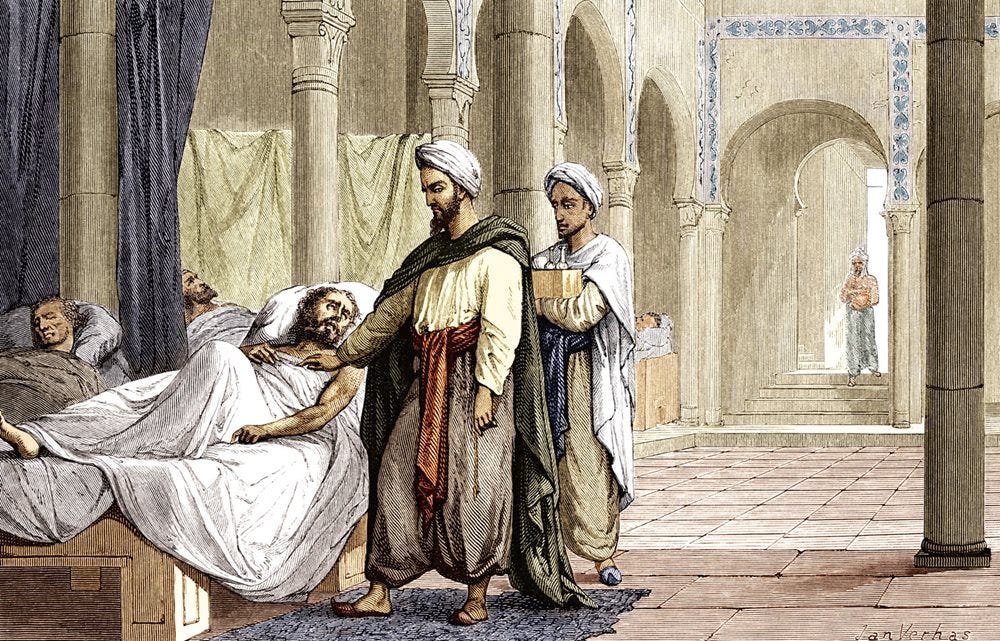
In Islamic world, the Black Death similarly caused a significant population decline and led to considerable economic, social, and political upheaval. However, while the plague became a turning point for the rise of Europe, it did not have a comparable effect in the Islamic world.
Historically, the Middle East was a leading region in terms of economic, cultural, and technological advancements. Around the 10th century, it was relatively advanced in living standards, technology, agricultural productivity, literacy rates, and institutional creativity. However, the Middle East did not experience the same level of institutional transformation as Western Europe in the aftermath of the Black Death. This lack of transformation limited the region's ability to significantly enhance resource integration, production coordination, and exchange capabilities. Although the region's institutional legacy continued to evolve, the changes in key areas of economic modernization were minimal compared to the structural transformations in the West and the earlier developments in the Middle East during the early Islamic centuries.
The differing outcomes between the Islamic world and Europe following the Black Death can be attributed to the nature of their institutions. Economic and social conditions heavily depend on how institutions respond to environmental changes. Unlike Europe, Islamic institutions did not undergo transformative changes in response to the Black Death; instead, they reinforced their existing structures during the crisis.
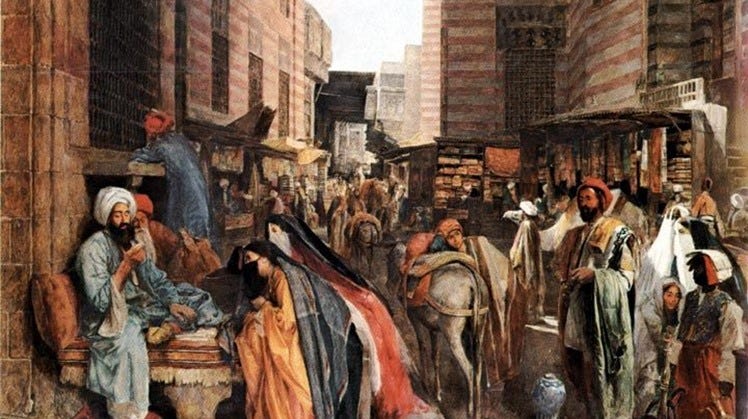
A comparative study of England and Egypt reveals starkly different consequences of population decline. In Egypt, wages plummeted, land rents increased, food prices rose, agricultural output became less diverse, and unemployment soared. The decline in agricultural and total output exceeded the population decline, causing per capita income to fall drastically. The landholding system remained unchanged, with the nobility successfully resisting the demands for scarce rural labor. By 1500, signs of economic recovery were absent; the agricultural system had collapsed, and output had decreased by about 68%. Before the Black Death, Egypt boasted a robust and growing agricultural sector, contributing significantly to the overall economy. Rulers had expanded arable land by approximately 50%, growing a diverse range of crops and employing a crop rotation system comparable to the best in Western Europe. High soil fertility, bolstered by Nile floods and the extensive use of root crops like clover, further strengthened agriculture. However, this progress came to an abrupt halt during the plague. While the Black Death left many survivors in Western Europe in a better economic position, it devastated Egypt.
The situation in Egypt contrasted sharply with the typical European outcomes of declining rents, falling food prices, and rising wages. In England, landowners struggled to address rural labor scarcity effectively, whereas Egyptian landowners maintained their positions successfully. This led to an economic disaster for Egypt, but the differing results were likely due not to the strength or weakness of peasant communities but to the structure of the landholding system itself, which determined the outcome of the severe population decline.
In 15th-century Egypt, the elite classes, including the Mamluks, amirs, and ruling sultans, were the primary landowners. A notable feature of their system was the temporary nature of land ownership. Land tenure was non-hereditary, short-term, and constantly subject to political and military fortunes. The Mamluk class's uniqueness in the medieval world lay in its adherence to the principle of non-hereditary succession: only newly imported slave children could join the military landholding aristocracy. The children of Mamluks, amirs, and even sultans were relegated to lower statuses, and land did not pass from father to son. Due to frequent military promotions, demotions, transfers, and deaths, individual land holdings changed frequently. This instability led to the hoarding and hiding of currency and other assets, while land, which was harder to conceal, pressured owners to quickly convert their income into cash. This created a strong incentive for short-term profit maximization. Moreover, this pressure was exacerbated by the ongoing need for liquidity to pay both cash and in-kind supplies for their civilian and military entourage. These payments were essential to maintaining the loyalty of followers. Without them, the amirs' urban power base would collapse, risking demotion or even death.
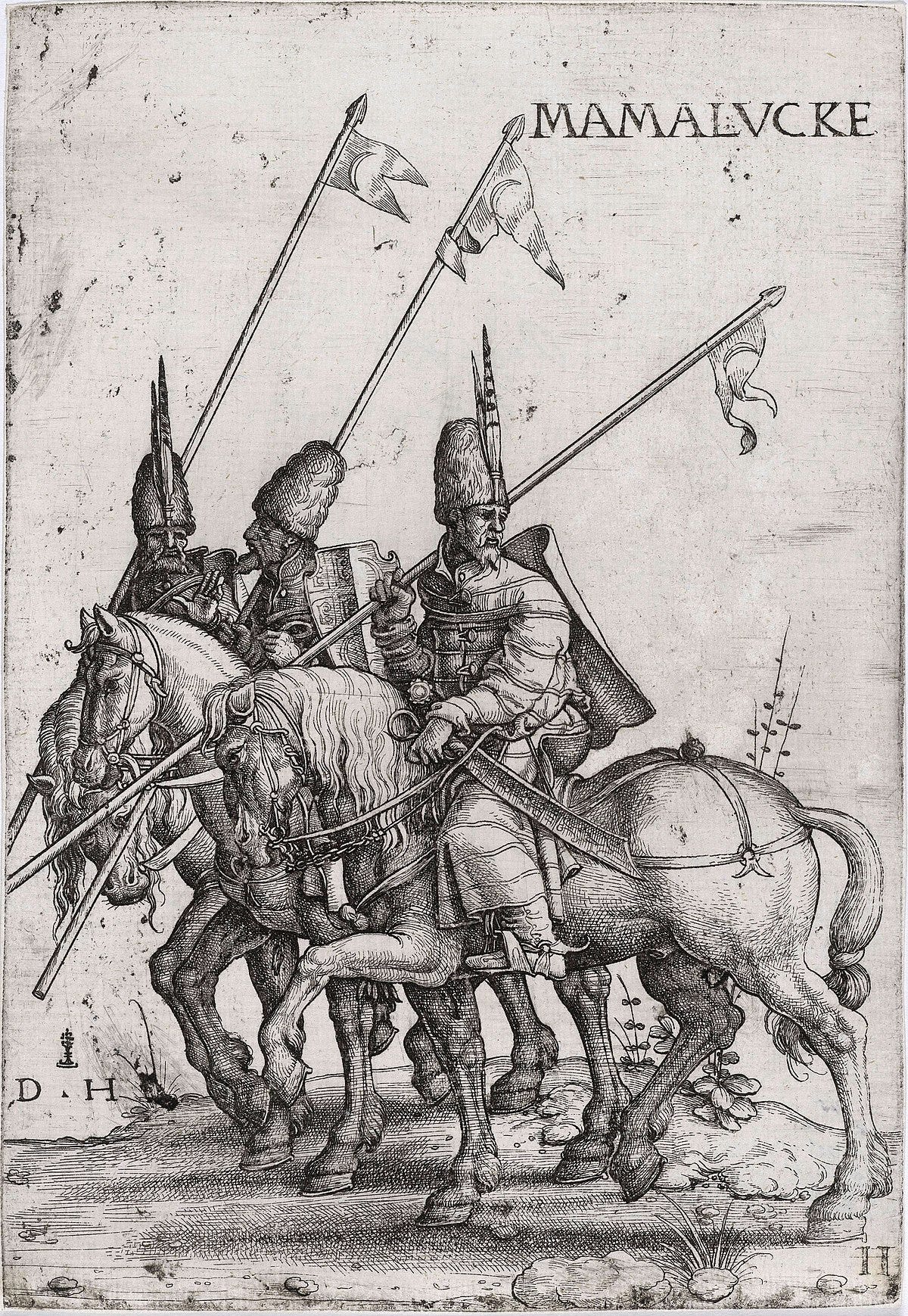
Meanwhile, Egyptian bureaucrats, who served as crucial intermediaries between the ruling elites and agricultural producers, were responsible for converting estate outputs into tangible products and cash. Their unique role made them central figures in the competition among landowners. Although they did not wield the direct power of true landowners, soldiers who acquired land through promotion often lacked the time and motivation to manage it effectively. This institutional structure in Egypt meant that landowners collectively held significant power over peasants. Instead of being a loose network of individuals closely tied to their estates and local communities, Mamluk landowners formed a cohesive bloc that frequently acted together to advance their interests in rural areas, regardless of the specific estate or income involved.
Another crucial factor was Egypt's agricultural irrigation system. Maintaining this system in medieval Egypt was labor-intensive. During the Mamluk period, the irrigation system was divided into two types. The first type comprised local, village-level systems managed by the village communities themselves, with irrigation bureaucracies playing a supportive role. The second type was regional and distinct from the first, extending beyond individual villages and managed by a central authority that coordinated larger portions of the system. This regional system integrated parts of the village systems with other segments, often connecting them to the Nile River.
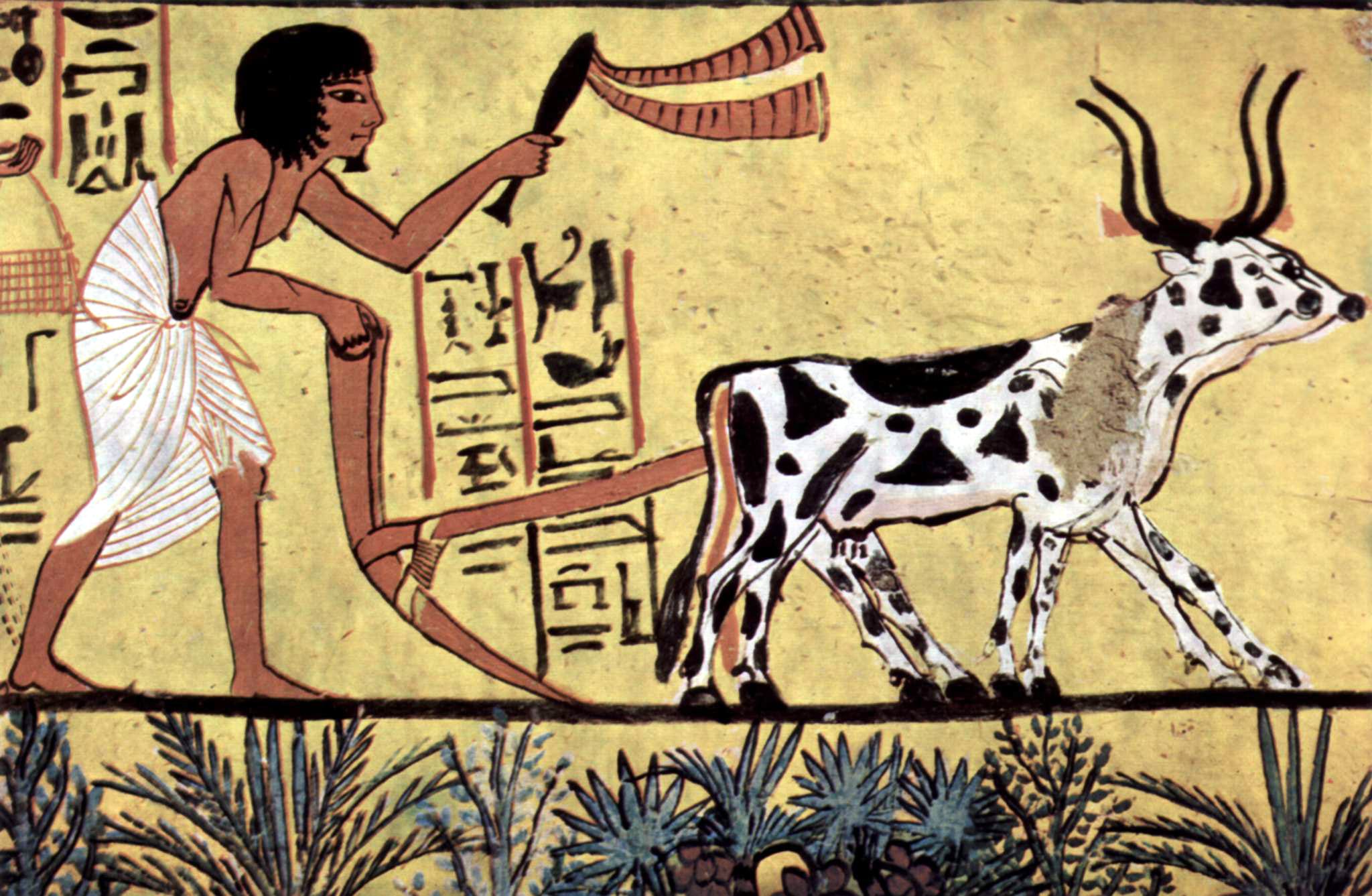
Maintaining the Sultan's irrigation system required approximately 50,000 laborers in Upper Egypt and 70,000 in Lower Egypt. The total estimated cost of irrigation maintenance amounted to about 25% of non-hereditary land revenue. Given the labor-to-population ratios, the rural populations of Upper and Lower Egypt likely numbered in the millions, with laborers constituting around 70% of the total population. The figure of 120,000 irrigation laborers reflects only the scale of the regional systems, excluding the numerous village systems.
The substantial population decline caused by the plague led to the collapse of this labor-intensive system. The situation worsened as Egypt's military elite exacerbated the crisis by raising rents, substituting wages with corvée labor, and diverting irrigation taxes for personal gain, effectively plundering the rural economy. These factors compounded the damage from the population decline and the shortage of irrigation labor, leading to a severe impact on the irrigation system by the early 15th century.
From a broader perspective, the ruling authorities in Egypt bolstered the power of landowners. Similar to how landowners in England attempted collective action through Parliament, the sultans and influential landowners in Egypt enacted a series of laws through the consultative council to strengthen the authority of the amirs and the bureaucratic system. Unlike the unsuccessful collective legal efforts in England, these measures in Egypt were effective. Between the late 14th and mid-15th centuries, the state introduced several decrees that raised the official rent rates imposed by landowners on peasants. A 1416 record indicates that, since the Black Death, real rent rates had increased by 20%. Thus, while English landowners struggled to maintain their status quo, Egyptian landowners not only preserved but also enhanced their economic dominance over peasants.
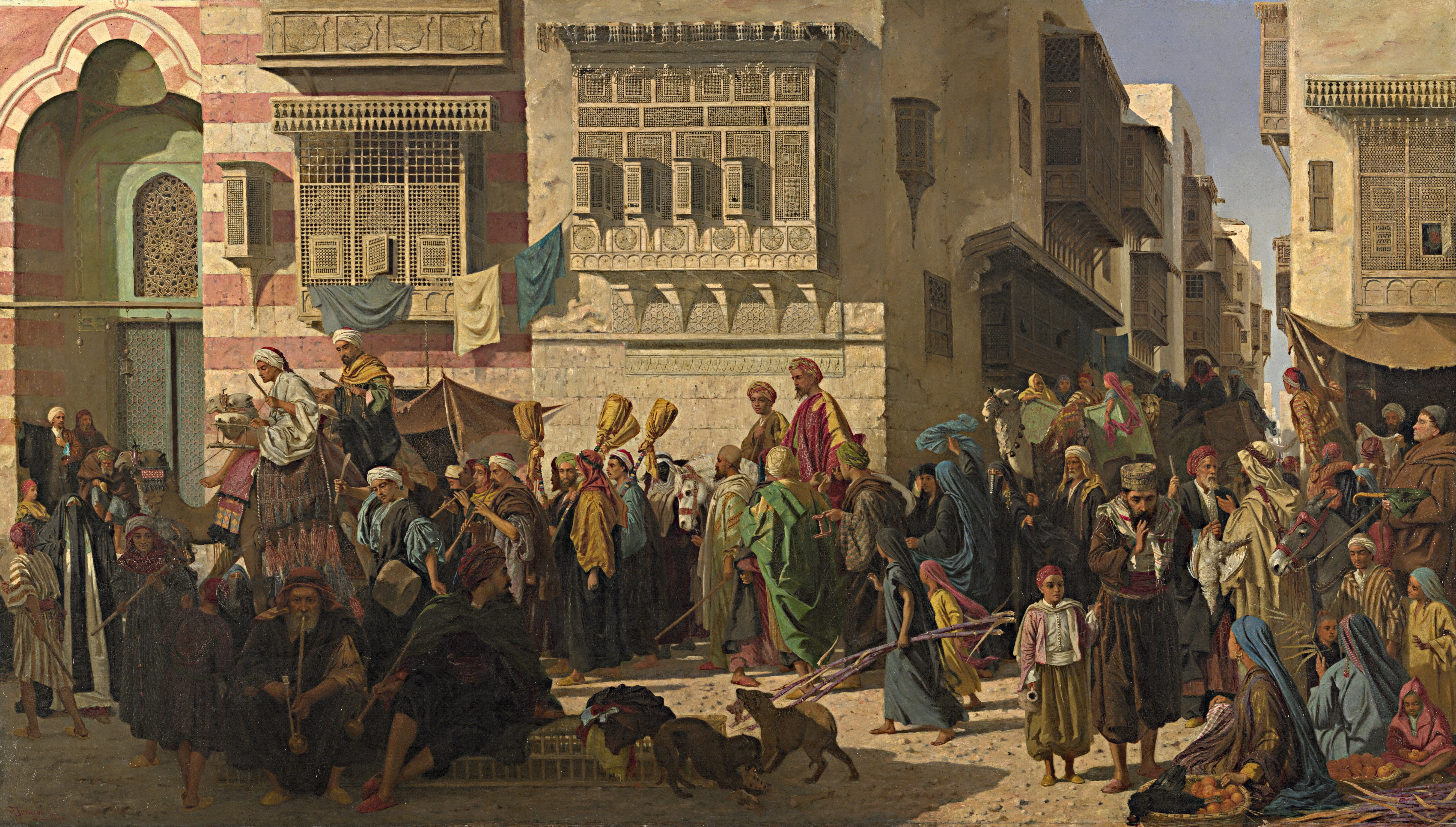
The examination of institutional factors in the Islamic world also extends to various aspects, including Islamic inheritance law, strict individualism, the absence of corporate organizational concepts, and unique forms of Islamic trusts. Although the Qur'an offers limited guidance on economic systems, it wasn't until around the year 1000, after about 300 years of development, that central economic systems in the Middle East were effectively established. These systems played a crucial role in the region's economy until the 19th century.
Among the few economic regulations detailed in the Qur'an, inheritance laws are the most explicit. These complex rules allocate two-thirds of an inheritance to various male and female relatives, such as children, parents, spouses, siblings, and sometimes more distant relatives. An individual's right to bequeath is limited to one-third of their estate, and, according to Sunni interpretations, no legal heirs can be excluded by will. This system restricts the concentration of wealth and hampers the preservation of successful enterprises or assets across generations. Although property can be retained through mechanisms like partnerships or having one heir buy out others, the overall effect is to fragment wealth, particularly financial assets. In contrast, Western inheritance practices, which lack a prescriptive distribution system in the Bible, are more diverse and adaptable.
The Islamic inheritance system has contributed to a reduced share of Muslims in global business and has delayed industrialization in the Middle East. These effects were not intentional and did not pose a problem during the rise of Islam, as these rules were being established. They are unintended consequences of a system designed to distribute wealth, strengthen family ties, and promote political stability. While it is often highlighted that Islamic inheritance laws provided benefits to wives and daughters, who lacked inheritance rights in pre-Islamic Arabia, it is frequently overlooked that these laws also contributed to organizational stagnation.
Another notable feature of classical Islamic law is its lack of provision for the concept of a corporation—a collective entity with legal rights independent of its individual members. In a corporation, internal rules can be established and modified, property can be owned, contracts can be signed, and legal actions can be taken. The corporation itself is liable for its debts, not its individual members, and decisions do not require the approval of every member. Furthermore, a corporation can continue to exist beyond the death or retirement of its founders. In contrast, Islamic law recognizes only individual persons. While partners can sue each other as parties to a contract, the partnership itself does not have legal standing. Third parties can sue one or more partners individually but cannot pursue legal action against the partnership as a whole.
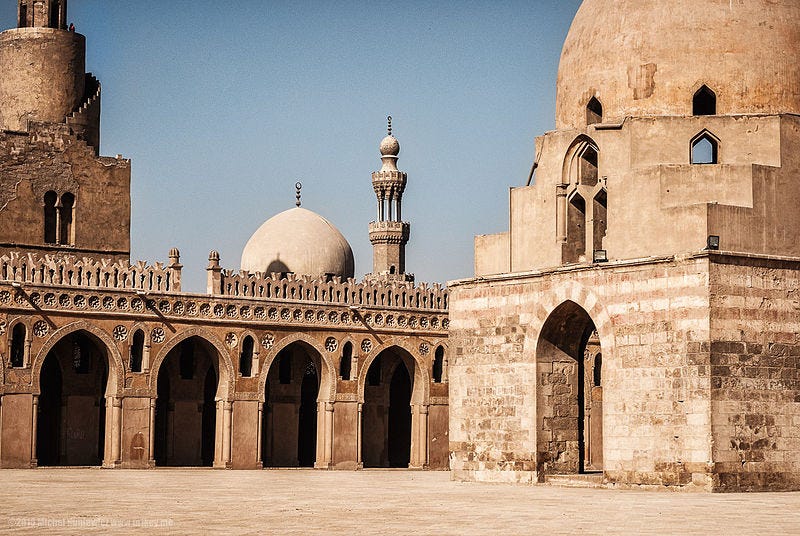
The expansion of partnerships was also influenced by the prevailing inheritance system. When mortality rates remain stable, it becomes increasingly challenging to maintain undivided property, resulting in smaller average partnership sizes. Therefore, societies with fragmented inheritance systems tend to have smaller partnerships compared to those with intact inheritance practices.
In the absence of corporate structures under Islamic law, Western cities, religious organizations, and universities began to form corporations. This development led to the establishment of European traditions that emphasized limited government, restrained taxation, and the protection of private property. Merchant-dominated city-states, driven by a strong interest in rapid economic growth, emerged and gained prominence.
In the realm of public goods, Islamic society employed a charitable endowment known as waqf. A waqf is a type of non-corporate trust established under Islamic law by an individual to permanently provide specific services. It involves converting private, immovable property into a fund dedicated to supporting various social services allowed by Islamic law, such as schools, lighthouses, orphanages, community water supplies, and mosques. Beneficiaries of a waqf are not required to be Muslim. Though waqf was not part of the original Islamic system, it was integrated into Islamic culture about a century after Islam's emergence, serving as a creative solution to the instability of private property rights.
By donating property as a waqf, the founder effectively shields it from requisition. The founder can appoint themselves as the initial trustee and manager, allowing them to receive a substantial salary and appoint family members to paid positions. Additionally, they can bypass Islamic inheritance rules by designating a specific child as heir and excluding other relatives. Thus, establishing a waqf is not just an act of charity but also provides the founder with greater control over wealth distribution and reduces the risk of their assets being seized by overreaching rulers. The waqf system represents a tacit agreement: rulers commit to keeping certain properties in private hands, while waqf founders agree to provide social services, thereby easing the state's burden.
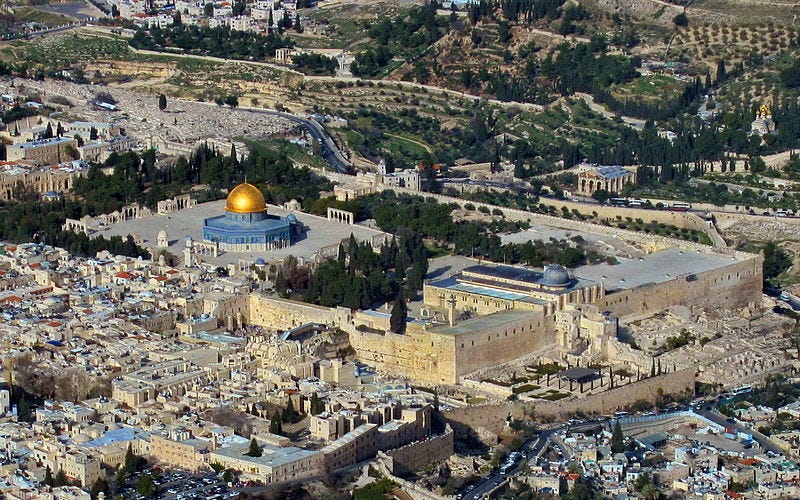
However, the widespread use of waqf in the Middle East led to several unintended consequences. The system's inherent nature requires that waqf functions remain fixed and permanent. Founders and trustees cannot alter the waqf's mission or management structure and must strictly adhere to its stipulations. This rigidity means that if the founder designated certain staff, no new employees can be added to meet new needs; if technological advancements make larger operations more efficient, small-scale waqfs cannot consolidate resources through mergers. Although traditional waqfs are unique in Islamic law for their continuity beyond the founder’s death, they lack the legal status of a corporation.
The rigidity of the waqf system led to persistent issues. Given its significant economic impact, efforts to circumvent its rules often resulted in widespread corruption, which became a major obstacle to trade and investment. The frequent evasion of laws diminished their stigma and increased enforcement costs. Additionally, the waqf system’s special provisions for creating non-governmental organizations, combined with its constraints on autonomy, led to inefficiencies in existing non-state organizations and hindered the development of civil society.
Examining institutional features in the Islamic world provides a plausible explanation for the significant differences between Europe and the Islamic world following the Black Death. Variations in institutional environments are also considered a major factor behind the divergent trajectories observed in various European regions after the plague. Comparative research shows that countries or regions with more adaptable and flexible institutions were better able to respond to changing conditions and relative prices. The rise of Northwestern Europe can be attributed, at least in part, to its greater capacity to adjust to these long-term shifts. In contrast, regions with less flexible or underdeveloped institutions, such as Southern Europe, the Eastern Mediterranean, and other parts of the continent, experienced fewer productivity-enhancing changes.
Obviously, institutional differences already existed before the Black Death. If the Black Death was indeed a crucial factor leading to significant divergences in development patterns, then the historical outcomes following it might seem more like a historical coincidence. A more plausible explanation would be that institutions might be just one of many key factors. From today’s perspective, the rise of Europe is undeniably a global historical phenomenon, and only comprehensive and systematic global comparative research can reveal the underlying causes and mechanisms of this transformation. However, due to language barriers and gaps in historical data, historical interpretation and comparative research beyond Europe remain limited.
This project takes a lot of time and effort. If you enjoy my work, please consider subscribing. You can also buy me a cup of coffee to support my continued dedication. Thanks a lot!

References
Ayalon, Yaron. "Religion and Ottoman Society's Responses to Epidemics in The Seventeenth and Eighteenth Centuries." Varlik, Nukhet. Plague and Contagion in The Islamic Mediterranean. Arc Humanities Press, 2017. 179-198.
Borsch, Stuart J. The Black Death in Egypt and England: A Comparative Study. University of Texas Press, 2005.
Borsch, Stuart. "Plague Depopulation and Irrigation Decay in Medieval Egypt." The Medieval Globe (2014): 125-156. Vol. 1 : No. 1, Article 7.
Curry, John. "Scholars, Sufis, and Disease: Can Muslim Religious Worls Offer us Novel Insights on Plagues and Epidemics Among the Medieval and Early Modern Ottomans?" Varlik, Nukhet. Plague and Contagion in the Islamic Mediterranean. Arc Humanities Press, 2017. 27-56.
Dols, Michael W. The Black Death in the Middle East. Princeton University Press, 1977.
Fazlinejad, Ahmad and Farajollah Ahmadi. "The Black Death in Iran, according to Iranian Historical Accounts from the Fourteenth through Fifteenth Centuries." Journal of persianate studies 11 (2018): 56-71.
Kuran, Timur. The Long Divergence: How Islamic Law Held Back the Middle East. Princeton University Press, 2011.
—. "Why the Middle East is Economically Underdeveloped: Historical Mechanisms of Institutional Stagnation." Journal of Economic Perspectives (2004): 71-90. Volume 18, Number 3.
Pamuk, Sevket and Maya Shatzmiller. "Plagues, Wages, and Economic Change in the Islamic Middle East, 700–1500." The Journal of Economic History (2014): 196-229. Vol. 74, No. 1.
Pamuk, Sevket. "The Black Death and the origins of the ‘Great Divergence’ across Europe, 1300–1600." European Review of Economic History (2007): 289-317. II.
Stearns, Justin K. Infectious Ideas: Contagion in Premodern Islamic and Christian Thought in the Western Mediterranean. Johns Hopkins University Press, 2011.